Introduction
If your kitchen has poor storage, an inefficient layout, damaged surfaces, outdated lighting, or constant maintenance issues, it may be time to remodel. These kitchen remodeling signs can affect how safely and comfortably you use the space, even when the kitchen still appears functional.
A kitchen is one of the most frequently used areas in a home. Over time, daily cooking, cleaning, moisture, heat, and normal wear can change how well the space performs.
However, an outdated kitchen is not always easy to recognize. Some problems are obvious, such as damaged cabinets or worn flooring. Others are less noticeable, including poor circulation, limited storage, and inadequate lighting.
That is why understanding the most common kitchen remodeling signs can help homeowners make better decisions before small problems become larger renovation challenges.
What Makes a Kitchen Outdated?
An outdated kitchen is not necessarily one with old colors or styles. A kitchen can look attractive and still have serious functional limitations.
Functionality is one of the most important factors. If preparing meals feels difficult, finding storage is frustrating, or appliances interfere with movement, the kitchen may no longer meet your needs.
The layout also plays a major role. A poorly planned kitchen can create unnecessary walking paths and make it difficult to move between the refrigerator, sink, cooking surface, and preparation areas.
Storage is another important consideration. Older kitchens often have limited cabinets, inefficient drawers, or spaces that are difficult to access.
Safety should also be considered. Poor lighting, damaged flooring, aging electrical components, and deteriorating surfaces can create concerns that go beyond appearance.
Materials matter as well. Countertops, cabinets, flooring, and tile eventually experience wear. Some materials may become difficult to clean or maintain after years of use.
Energy efficiency can also influence whether a kitchen needs improvement. Older appliances, inefficient lighting, and poor planning may contribute to unnecessary energy use.
Finally, maintenance is a clear indicator. If you are constantly repairing cabinets, replacing damaged surfaces, or dealing with difficult-to-clean areas, a larger remodeling project may make more sense.
In other words, the best kitchen remodeling signs are not limited to aesthetics. They include anything that prevents the kitchen from working efficiently, safely, and comfortably.
Why Should Homeowners Pay Attention to Kitchen Remodeling Signs?
Recognizing kitchen remodeling signs early can make the planning process easier. Instead of reacting to a major failure, homeowners can evaluate the entire space and prioritize improvements.
For example, a damaged cabinet may seem like an isolated issue. However, if several cabinets are deteriorating, replacing one door may only provide a temporary solution.
The same applies to flooring. One damaged tile can often be replaced. But if the entire floor is worn, difficult to clean, or no longer suits the kitchen, a broader renovation may provide a better long-term result.
Early planning can also help homeowners think about how the kitchen should function. A remodel is an opportunity to improve more than appearance.
It can address storage, lighting, circulation, materials, finishes, and the overall relationship between different work areas.
Before starting a project, homeowners should consider questions such as:
- Does the current layout make cooking easy?
- Is there enough storage for everyday items?
- Are the cabinets still functional?
- Are countertops easy to maintain?
- Is the kitchen adequately illuminated?
- Is the flooring safe and durable?
- Does the space match the household’s current lifestyle?
These questions can reveal kitchen remodeling signs that may otherwise be overlooked.
A professional remodeling evaluation can also help identify issues that are not immediately visible. Depending on the project, this may involve reviewing framing, electrical components, plumbing, flooring, tile, cabinets, and interior finishes.
10 Kitchen Remodeling Signs You Shouldn’t Ignore
Every kitchen ages differently. Some homeowners notice cosmetic changes first, while others recognize functional problems after years of frustration.
The following kitchen remodeling signs can help you determine whether your space needs minor updates or a more comprehensive kitchen renovation.
Sign 1: Your Kitchen Layout No Longer Works
One of the clearest kitchen remodeling signs is an inefficient layout.
A kitchen should allow people to move comfortably between preparation, cooking, cleaning, and storage areas. When those zones are poorly arranged, everyday tasks can become unnecessarily complicated.
For example, imagine opening the refrigerator door and blocking the main walkway. Or perhaps the dishwasher is positioned so closely to a cabinet that you cannot access both at the same time.
These problems may seem small. However, repeated every day, they can make the entire kitchen feel frustrating.
An inefficient layout can also create unnecessary movement. You may have to walk across the kitchen repeatedly to retrieve ingredients, cookware, or utensils.
A well-planned kitchen layout considers how the different work zones interact.
Common layout problems include:
- Limited preparation space
- Appliances placed too far apart
- Narrow walkways
- Poorly positioned cabinets
- Difficult access to storage
- Conflicts between doors and appliances
Before changing the layout, homeowners should consider how they actually use the kitchen.
A household that cooks frequently may need more countertop space. A family that entertains often may need better circulation and seating.
Likewise, homeowners who rely heavily on small appliances may need additional outlets and dedicated storage.
Sometimes a small change can solve the problem. Repositioning a cabinet, improving storage, or changing lighting may be enough.
In other cases, the layout itself may be the problem. Moving cabinets, appliances, or walls can require a more comprehensive remodeling plan.
This is where professional kitchen remodeling can be valuable. A contractor can evaluate the existing space and help determine which improvements are practical.
The goal should not simply be to make the kitchen look newer. It should make the space easier to use.
Sign 2: Your Cabinets Are Damaged or No Longer Provide Enough Storage
Cabinets receive constant use. Doors open and close, drawers carry heavy cookware, and shelves hold everything from dishes to small appliances.
Over time, this daily use can cause cabinets to become damaged, difficult to operate, or inefficient.
Visible damage is an obvious warning sign. Peeling finishes, broken hinges, warped doors, loose handles, and damaged shelves can all indicate that the cabinetry has reached the end of its useful life.
However, appearance is only part of the problem.
Insufficient storage is another major reason homeowners consider kitchen remodeling. If countertops are constantly covered with appliances, containers, and cookware, the kitchen may not have enough functional storage.
Poor organization can also make existing storage feel smaller than it actually is.
For example, deep cabinets without practical organization may force homeowners to move several items just to reach something in the back.
A modern kitchen renovation can address these problems by improving how storage is distributed.
Potential improvements include:
- Larger or better-organized drawers
- More accessible cabinet interiors
- Dedicated pantry storage
- Improved corner storage
- Pull-out organizers
- Appliance storage
- More functional cabinet layouts
Not every cabinet problem requires a complete replacement. If the cabinet boxes are structurally sound, some homeowners may benefit from limited updates.
However, if the cabinetry is damaged throughout the kitchen or no longer supports the layout, replacement may be more practical.
Finish carpentry can also play an important role in creating a polished result. Proper installation and detailed finishing help ensure that new cabinetry integrates with the rest of the kitchen.
The right solution depends on the condition of the existing cabinets and the homeowner’s goals.
Sign 3: Your Countertops Are Worn, Damaged, or Outdated
Countertops are among the hardest-working surfaces in any kitchen.
They are exposed to food preparation, heat, moisture, cleaning products, and everyday impact. After years of use, even durable materials can show significant wear.
Cracks, stains, chips, swelling, difficult-to-clean surfaces, and outdated materials can all be kitchen remodeling signs.
A damaged countertop can also affect the usability of the entire workspace.
For example, a homeowner may have plenty of counter area but still struggle to prepare meals because the surface is damaged or poorly positioned.
The relationship between countertops and the kitchen layout is important.
When planning a kitchen renovation, homeowners should consider:
- Available preparation space
- Durability
- Maintenance requirements
- Resistance to everyday wear
- Integration with cabinets
- Overall design
- Intended use of the kitchen
A countertop replacement may be appropriate when the rest of the kitchen remains functional.
However, replacing countertops can sometimes expose other problems. Cabinet dimensions, plumbing, backsplash materials, and lighting may all need to be considered.
That is why homeowners should evaluate the entire kitchen before deciding on a single-surface upgrade.
A professional remodeling plan can help determine whether replacing the countertops alone is sufficient or whether the project would benefit from broader improvements.
Sign 4: Your Kitchen Has Poor or Outdated Lighting
Lighting is often overlooked during kitchen remodeling, yet it has a major effect on functionality and safety.
A kitchen needs enough light for food preparation, cleaning, cooking, and movement.
Older kitchens may depend on a single ceiling fixture. While that may illuminate the room generally, it may leave countertops and work areas too dark.
Shadows can make food preparation more difficult. They can also reduce visibility when using knives, appliances, or other kitchen tools.
Modern kitchen lighting typically considers several layers.
These may include:
- Ambient lighting for general illumination
- Task lighting for work surfaces
- Accent lighting for visual interest
- Under-cabinet lighting
- Lighting near sinks and cooking areas
The goal is to create a space where homeowners can clearly see what they are doing.
Poor lighting can also make an otherwise attractive kitchen feel smaller or less inviting.
When evaluating kitchen remodeling signs, look at how the space performs during different times of day.
Ask yourself:
- Are countertops dark in the evening?
- Do cabinets create shadows?
- Is the sink properly illuminated?
- Is the cooking area easy to see?
- Does the kitchen depend on one central light?
If the answer to several of these questions is yes, lighting may deserve attention during a remodel.
Lighting improvements can sometimes be completed without changing the entire kitchen.
However, if cabinets, electrical components, ceilings, and other finishes are also being updated, coordinating lighting with the broader project may create a more cohesive result.
Sign 5: Your Flooring or Tile Is Damaged or Difficult to Maintain
Kitchen flooring must handle heavy foot traffic, spills, dropped objects, moisture, and frequent cleaning.
After years of use, flooring can become cracked, stained, loose, worn, or difficult to maintain.
Tile can also develop damaged grout, cracked surfaces, or areas that are difficult to keep clean.
These issues are among the kitchen remodeling signs homeowners should not ignore, especially when damage affects safety or moisture management.
A loose or damaged floor surface can create a tripping concern. Persistent moisture around damaged materials may also lead to additional problems if it is not addressed.
Homeowners should evaluate whether the existing flooring still meets the needs of the household.
Important considerations include:
- Durability
- Moisture resistance
- Ease of cleaning
- Slip resistance
- Appearance
- Maintenance requirements
- Compatibility with the rest of the kitchen
Sometimes individual tiles or small sections can be repaired.
However, widespread damage may indicate that replacing the flooring is the more practical solution.
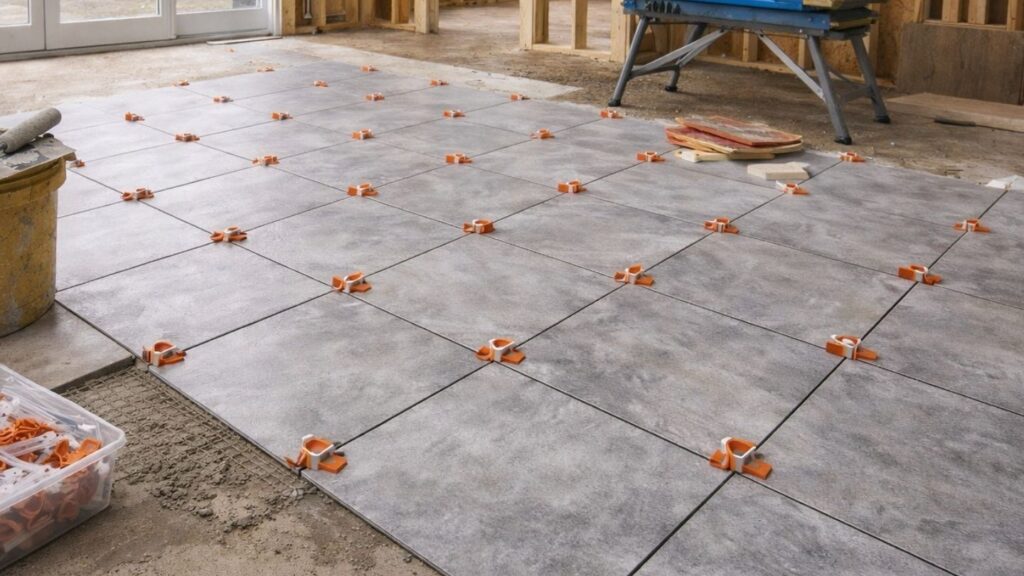
Tile installation can also become part of a larger kitchen remodeling project. New flooring can coordinate with cabinets, countertops, backsplash materials, and other interior finishes.
The same principle applies to maintenance. If homeowners constantly spend time repairing or cleaning difficult surfaces, replacing them during a planned renovation may provide better long-term functionality.
A kitchen should support daily life rather than create unnecessary maintenance tasks.
As you evaluate these first five kitchen remodeling signs, remember that not every issue requires a complete renovation. The right approach depends on the condition of the space, the homeowner’s goals, and how many problems are occurring at the same time.
The next signs involve appliances, storage, electrical and plumbing concerns, maintenance, and changes in lifestyle. Together, they can provide an even clearer picture of whether your kitchen is ready for a remodel.
10 Kitchen Remodeling Signs You Shouldn’t Ignore
Sign 6: Your Kitchen Appliances Are Outdated or Inefficient
Appliances are central to how a kitchen functions. When refrigerators, ovens, dishwashers, or other major appliances become outdated, they can affect convenience and the overall efficiency of the space.
Older appliances may also create compatibility problems. For example, a new refrigerator may not fit properly in an existing opening, or an oven may be positioned in a way that disrupts the kitchen layout.
These issues can become important kitchen remodeling signs when several appliances need attention at the same time.
Homeowners should consider:
- Appliance age and condition
- Energy efficiency
- Available space
- Placement within the layout
- Ventilation requirements
- Ease of everyday use
Replacing one appliance may be enough when the rest of the kitchen works well.
However, if cabinets, countertops, flooring, lighting, and appliances all need updates, combining the improvements into one kitchen renovation may create a more cohesive result.
Planning appliance placement before installing cabinets is particularly important. Dimensions, clearances, doors, connections, and ventilation should all be considered.
A professional remodeling team can coordinate these details as part of the larger project.
Sign 7: Your Kitchen Has Poor Storage and Organization
Limited storage is one of the most common reasons a kitchen stops working well.
A kitchen may have plenty of cabinets but still lack useful storage. Deep shelves, awkward corners, small drawers, and poorly planned cabinets can make everyday items difficult to access.
When countertops become crowded because there is nowhere else to put appliances or cookware, the problem becomes more noticeable.
This is another important group of kitchen remodeling signs.
Poor organization can affect more than appearance. It can make meal preparation slower and cause homeowners to spend unnecessary time searching for basic items.
A kitchen remodeling project can create more practical storage through:
- Larger drawers
- Pull-out organizers
- Pantry solutions
- Corner cabinet systems
- Appliance storage
- Adjustable shelving
- Dedicated areas for cookware
Before remodeling, homeowners should consider what they actually store in the kitchen.
A family that cooks frequently may need different storage solutions than someone who mainly uses the kitchen for quick meals.
Likewise, homeowners who entertain often may need additional space for serving dishes, glassware, and small appliances.
Sometimes reorganizing existing cabinets can solve the problem.
However, if the cabinet layout itself is inefficient, replacing or repositioning cabinets may provide a more effective solution.
Finish carpentry can also help create a cleaner and more functional result by ensuring that new components fit properly within the overall design.
Sign 8: The Electrical System or Plumbing Needs Attention
Some kitchen remodeling signs are not immediately visible.
Electrical and plumbing systems are essential to a safe and functional kitchen. If these systems are outdated, damaged, or unable to support modern needs, they should be evaluated before cosmetic improvements are made.
For example, today’s kitchens often use multiple appliances at the same time.
Refrigerators, dishwashers, microwaves, ovens, coffee makers, and other appliances can create significant electrical demand.
Older kitchens may also have limited outlets or poorly positioned electrical connections.
Plumbing can present similar challenges.
Leaks, low water pressure, outdated fixtures, or poorly positioned connections can interfere with the kitchen’s functionality.
Homeowners should pay attention to warning signs such as:
- Frequently tripped breakers
- Flickering lights
- Damaged outlets
- Water leaks
- Persistent moisture
- Slow drains
- Unusual plumbing issues
These problems should not simply be covered by new cabinets or countertops.
When a kitchen is being remodeled, the opportunity to evaluate systems behind the walls can be valuable.
Depending on the scope of the project, professional trades may need to inspect or update electrical and plumbing components.
Building codes and permit requirements can also vary depending on the project and location.
For that reason, homeowners should work with qualified professionals when remodeling involves electrical, plumbing, structural, or other regulated work.
A beautiful kitchen is not enough if the systems supporting it are unreliable.
Sign 9: Your Kitchen Requires Constant Repairs and Maintenance
A kitchen that constantly needs repairs may be telling you something.
One broken cabinet hinge is usually not a reason to remodel an entire kitchen.
However, repeated problems across multiple surfaces can indicate that the space is reaching the point where ongoing repairs are no longer the most practical approach.
Frequent repairs may include:
- Loose cabinet doors
- Damaged flooring
- Cracked tile
- Stained countertops
- Failing finishes
- Broken drawers
- Damaged backsplash materials
If homeowners repeatedly fix the same areas, the total time and effort can become frustrating.
Maintenance is also important.
Some older materials may require frequent cleaning, sealing, repainting, or repairs to maintain their appearance.
A kitchen renovation can provide an opportunity to replace problematic materials with options that better match the household’s needs.
For example, homeowners may choose surfaces that are easier to clean or flooring that can better handle everyday traffic.
The right materials depend on how the kitchen is used.
A busy family kitchen may require different finishes than a space that is rarely used.
This is why remodeling should begin with function rather than simply selecting attractive materials.
If several kitchen remodeling signs are present at the same time, a complete evaluation may be more useful than addressing each repair separately.
Sign 10: Your Kitchen No Longer Fits Your Lifestyle
Perhaps the most personal of all kitchen remodeling signs is when the space no longer fits the way you live.
A kitchen that worked perfectly several years ago may not work as well today.
Families grow. Cooking habits change. People work from home. Homeowners may begin entertaining more frequently.
Even changes in mobility or daily routines can affect how a kitchen should be organized.
Consider whether your kitchen currently supports:
- Your cooking habits
- Your household size
- Entertaining
- Storage needs
- Meal preparation
- Work-from-home routines
- Accessibility needs
- Daily traffic
For example, a homeowner who recently started cooking more often may need larger preparation areas.
A family with young children may need better organization and easier access to frequently used items.
Someone who entertains regularly may want more seating and improved circulation.
In these situations, the problem is not necessarily that the kitchen looks old.
The problem is that the kitchen no longer supports everyday life.
That is a strong reason to consider kitchen remodeling.
A remodel can rethink the space around the homeowner rather than forcing the homeowner to adapt to an outdated layout.
What Should You Consider Before Starting a Kitchen Remodel?
Once several kitchen remodeling signs have been identified, the next step is careful planning.
A successful kitchen renovation involves more than choosing cabinets and countertops.
Homeowners should consider the entire project before construction begins.
Budget
Establish a realistic budget before making major selections.
The budget should account for materials, labor, permits when applicable, and potential changes that may be discovered during construction.
It is also wise to prioritize the improvements that matter most.
Layout
The kitchen layout should support natural movement.
Think about how people move between the refrigerator, sink, cooking area, storage, and preparation spaces.
A visually attractive kitchen can still be frustrating if the layout does not work.
Materials
Materials should match the way the kitchen will be used.
Consider durability, maintenance, appearance, and long-term performance.
Countertops, cabinets, flooring, tile, and finishes should work together rather than being selected independently.
Cabinets
Cabinets have a major impact on both storage and appearance.
Think about what you need to store and how often you use those items.
Functional storage can make a kitchen feel significantly more efficient.
Countertops
Countertops should provide enough preparation space while fitting the overall design.
Homeowners should also consider cleaning requirements and everyday durability.
Lighting
Plan lighting around the activities that happen in the kitchen.
Task lighting is particularly important around preparation and cooking areas.
Ambient lighting can then provide broader illumination.
Flooring and Tile
Kitchen flooring should handle frequent traffic and regular cleaning.
Tile installation may also be considered for floors, backsplashes, or other areas depending on the design.
Storage
Do not focus only on the number of cabinets.
Consider accessibility and organization.
A smaller amount of well-designed storage can sometimes be more useful than a larger amount of poorly planned storage.
Timeline
Kitchen remodeling can affect daily routines.
Before construction begins, homeowners should understand the expected sequence of work and how long different phases may take.
The timeline can vary significantly depending on the project’s size and complexity.
Professional Planning
Professional planning can help coordinate the different elements of a kitchen remodel.
Cabinet dimensions, appliances, lighting, flooring, tile, plumbing, electrical work, painting, and interior finishes may all interact.
Planning these components together can reduce conflicts and improve the final result.
Is a Kitchen Remodel Worth It?
Whether a kitchen remodel is worthwhile depends on the homeowner’s needs, goals, budget, and the condition of the existing space.
A remodel can improve functionality and make everyday tasks easier.
It can also address problems that have been frustrating homeowners for years.
Benefits may include:
- Better kitchen layout
- Improved storage
- More comfortable work areas
- Updated materials
- Easier maintenance
- Better lighting
- Improved overall usability
Comfort is another important consideration.
Homeowners use their kitchens regularly, so even small functional improvements can have a meaningful impact on daily life.
Long-term usability should also be considered.
A kitchen designed around the household’s current and future needs may remain practical for many years.
A remodel can also improve the overall appeal of a home.
However, homeowners should avoid viewing a renovation only as an investment in resale value.
The value of a kitchen remodel also comes from how well the space serves the people living there.
Frequently Asked Questions About Kitchen Remodeling
How Do I Know If My Kitchen Needs Remodeling?
Look for multiple kitchen remodeling signs, such as an inefficient layout, damaged cabinets, poor storage, outdated lighting, worn flooring, or recurring repairs.
If the kitchen no longer supports your daily needs, a professional evaluation can help determine the right approach.
How Often Should a Kitchen Be Remodeled?
There is no universal schedule for kitchen remodeling.
The right time depends on the condition of the kitchen, how it is used, maintenance requirements, and whether the current design still meets the homeowner’s needs.
What Is the First Step in a Kitchen Remodel?
The first step is usually evaluating the existing kitchen and defining the goals of the project.
Homeowners should identify functional problems, priorities, desired improvements, and budget considerations before selecting materials.
Should I Remodel My Kitchen or Replace Individual Features?
If only one component is damaged, replacing that feature may be enough.
However, when several kitchen remodeling signs appear together, a larger renovation may provide a more consistent and functional result.
How Long Does a Kitchen Remodel Take?
The timeline depends on the size and complexity of the project.
A cosmetic update may take less time than a remodel involving cabinets, flooring, plumbing, electrical work, structural changes, and multiple interior finishes.
What Should I Prioritize in a Kitchen Renovation?
Start with functionality, safety, layout, and the condition of essential components.
After those priorities are addressed, homeowners can focus on cabinets, countertops, lighting, flooring, tile, paint, and other design elements.
Conclusion
An outdated kitchen does not always announce itself with one obvious problem.
Instead, homeowners often notice several smaller issues that gradually make the space harder to use.
The kitchen remodeling signs discussed in this guide include an inefficient layout, damaged cabinets, worn countertops, poor lighting, damaged flooring, outdated appliances, limited storage, system concerns, constant repairs, and changing lifestyle needs.
You do not need to experience all ten signs before considering a remodel.
Even a few significant problems can justify a professional evaluation, particularly when they affect safety, functionality, comfort, or long-term maintenance.
The most important question is simple: does your kitchen still work for the way you live?
If the answer is no, a thoughtful kitchen remodeling project can transform the space into something more functional, comfortable, and suited to your everyday needs.
Contact KCB Construction Today
👉 Contact KCB Construction Today to discuss your kitchen remodeling project and explore practical solutions for an outdated, inefficient, or difficult-to-maintain kitchen.
From kitchen remodeling and finish carpentry to tile installation, painting, and interior finishes, KCB Construction can help homeowners plan improvements around their needs and goals.