
Introduction
When planning a home renovation, many homeowners in Stoneham, MA, face the decision between a second-story addition and a rear addition. Understanding the nuances of these options is vital, especially in a state where older Massachusetts homes are prevalent. This article will guide you through the key considerations for construction and remodeling in Woburn MA, helping you choose the right fit for your lot.
Considerations for Additions
Several factors influence the decision to add a second story or expand your home to the rear:
- Lot Size: The dimensions of your lot will significantly impact your choice. A smaller lot may limit your options.
- Local Building Codes: Compliance with the Massachusetts State Building Code is essential. This includes regulations on height restrictions and setbacks.
- Home Layout: The existing layout of your home may favor one type of addition over another.
- Neighborhood Aesthetics: Consider how each option fits within the design of your neighborhood.
Second-Story Addition
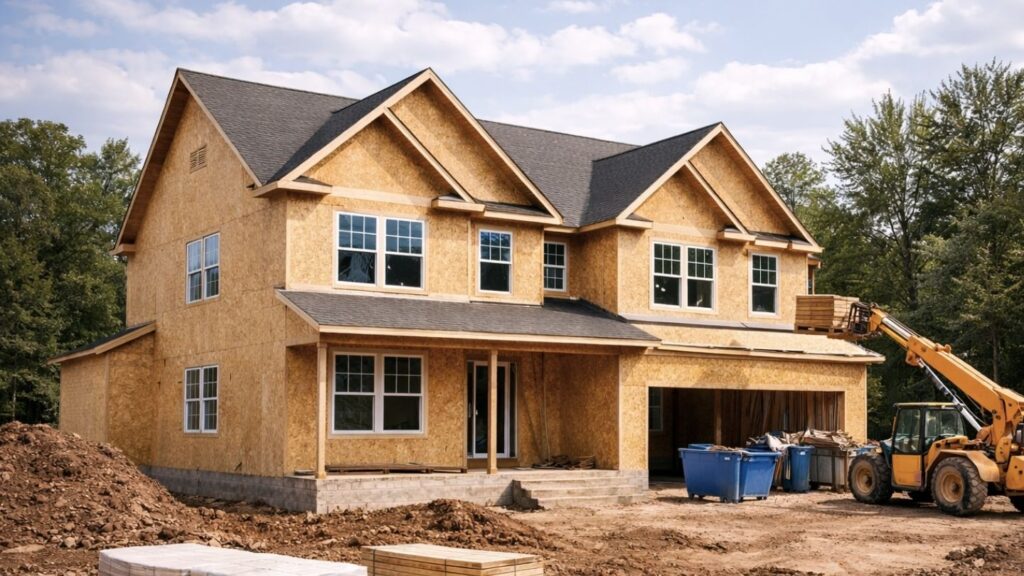
A second-story addition involves building upward, which can significantly increase the living space without expanding the home’s footprint. This option is often ideal for:
- Maximizing Views: Homes in elevated areas can benefit from stunning views.
- Maintaining Yard Space: A second story allows you to preserve valuable outdoor space, which is especially important in New England, where outdoor enjoyment is cherished.
- Enhancing Home Value: A well-executed second-story addition can notably increase your property’s value.
According to a study by the National Association of Realtors, adding a second story can yield a return on investment of up to 70%.
However, second-story additions also present challenges:
- Structural Considerations: Existing foundations must support additional weight.
- Access Issues: You will need to install a staircase, which takes up space.
Rear Addition
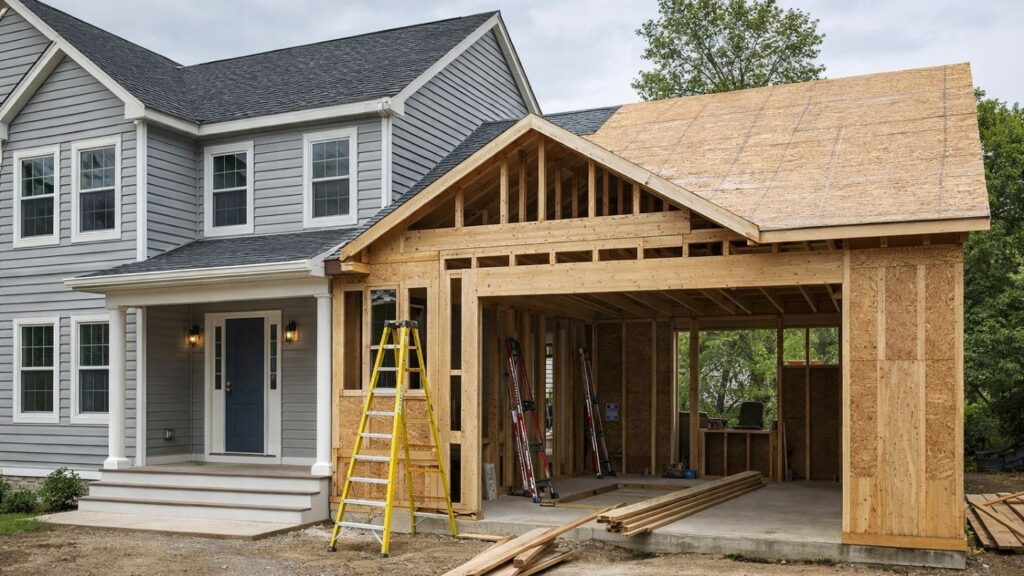
A rear addition involves extending the home outward. This option may be more suitable if:
- Space is Limited: If your lot is narrow, a rear addition can make better use of the available space.
- Single-Story Living is Preferred: This option is ideal for homeowners who prefer not to navigate stairs.
- Creating Open Living Areas: A rear addition can facilitate an open concept layout, enhancing flow and functionality.
According to the American Institute of Architects, open floor plans are a top request among homeowners.
Challenges associated with rear additions include:
- Impact on Outdoor Space: This addition may encroach on your backyard, affecting outdoor usability.
- Potential for Zoning Issues: Local zoning laws may restrict how far back you can build.
Comparison
When comparing second-story and rear additions, consider the following:
- Cost Implications: Generally, second-story additions may be more expensive due to structural modifications.
- Timeframe: Rear additions may be quicker to complete since they often require less structural work.
- Disruption During Construction: Both options will cause some disruption, but a second-story addition may impact more of your home.
Conclusion
Choosing between a second-story addition and a rear addition is a significant decision that depends on various factors, including your lot size, local regulations, and personal preferences. Whichever option you choose, it’s essential to work with a reliable general contractor in Woburn MA who understands local building codes and can help navigate the process smoothly. If you’re ready to explore your options, reach out to KCB Construction for a consultation.
For homeowners planning a remodeling project, KCB Construction offers expertise in home additions, remodeling, and more. Contact us today for a free quote at (857) 243-1549.
FAQ
What is the first step in planning an addition?
The first step is to assess your needs and evaluate your lot size and local building codes. Consulting with a professional can provide clarity.
How long does a typical addition project take?
Project timelines vary based on the type of addition and local permitting processes. Generally, expect a few months for completion.
Do I need a permit for an addition in Massachusetts?
Yes, any significant renovations will require a permit. It’s essential to check with your local building department.
Can I live in my home during the construction?
While it’s possible to remain in your home during construction, it may be inconvenient. Discuss options with your contractor.
Learn more: Home SEO.