
Understanding Home Addition Costs
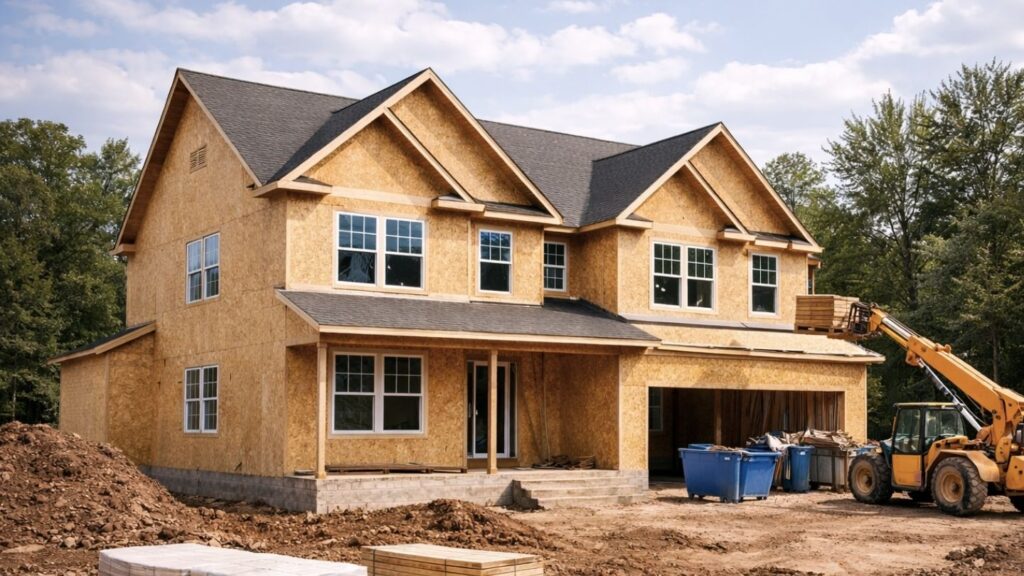
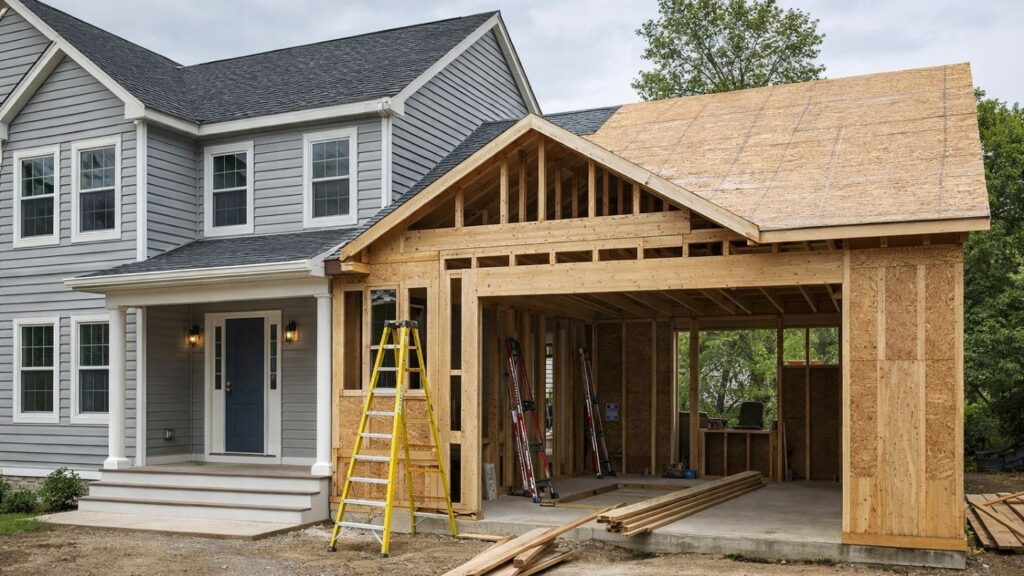
When considering a home addition in Greater Boston, it’s essential to understand the various factors that drive costs. Home additions can significantly enhance your living space and increase your property value, yet they require careful planning and budgeting. In Woburn, MA, homeowners often face unique challenges, from navigating local building permits to dealing with the realities of New England winters.
Key Factors Driving Costs
Several elements influence the overall cost of a home addition:
- Design Complexity: The more intricate your design, the higher the costs. Custom features, like built-ins or unique architectural styles, can add to your budget.
- Size of the Addition: Naturally, the larger the addition, the more materials and labor will be required, impacting the total price.
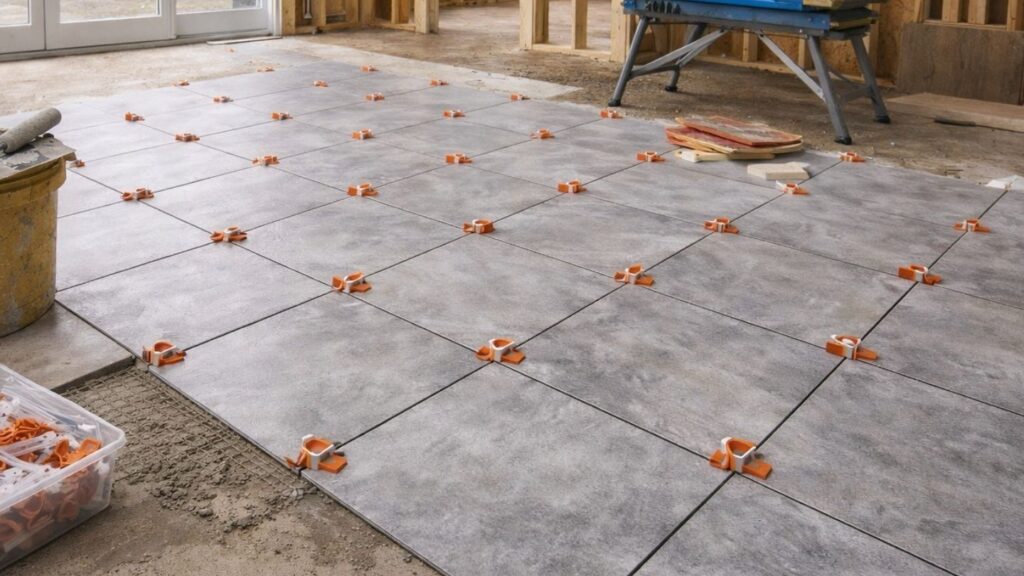
- Materials Used: Choosing high-quality materials can enhance durability but may also increase costs. It’s crucial to balance aesthetics with functionality.
- Labor Costs: In Massachusetts, skilled labor is often in demand, which can influence the pricing. Engaging a reliable general contractor in Woburn MA can help ensure quality work.
- Permitting and Regulations: Local building codes, such as the Massachusetts State Building Code, must be adhered to, and obtaining the necessary permits can add to your timeline and budget.
Each of these factors plays a crucial role in determining the final price of your home addition. Therefore, it’s advisable to consult with a remodeling contractor in Woburn MA who can provide insights tailored to your specific project.
Planning Your Home Addition
Effective planning is vital for a successful home addition. Here are some steps to consider:
- Define Your Needs: Understand what you want to achieve with your addition. Are you looking for extra bedrooms, a larger kitchen, or a home office?
- Set a Clear Budget: While it’s difficult to provide specific figures without assessing your project, setting a realistic budget will help guide your decisions.
- Research Contractors: Look for reputable contractors with experience in home additions. Check references and past projects to gauge their work quality.
- Review Permitting Requirements: Familiarize yourself with local building regulations to avoid any delays and additional costs.
- Consider Timing: Planning your addition during warmer months can help avoid complications associated with New England winters, such as ice dams.
Each of these steps is crucial for ensuring a smooth remodeling process. For further guidance, visit our main services page for comprehensive information on various construction services.
Frequently Asked Questions
What are typical home addition styles in Woburn?
Common styles include single-story extensions, multi-story additions, and sunrooms, each catering to different homeowner needs and lot configurations.
How long does a home addition project typically take?
The duration can vary significantly based on design complexity and size, but most projects range from a few weeks to several months.
Are there any local building codes I should be aware of?
Yes, local building codes in Massachusetts regulate aspects like zoning, permits, and safety standards. It’s essential to consult with your contractor to ensure compliance.
How can I maximize the value of my home addition?
Focus on functional, high-demand spaces like kitchens and bathrooms. Ensure quality workmanship and materials, which can enhance resale value.
Learn more: Home SEO.